
Table of Contents
ToggleWhat is make at home? It’s the practice of creating products, meals, crafts, and goods yourself instead of buying them ready-made. This approach has grown into a global movement that spans cooking, home decor, personal care products, and countless other categories.
People choose to make at home for many reasons. Some want to save money. Others seek creative outlets or prefer knowing exactly what goes into their products. The rise of online tutorials, social media inspiration, and accessible supplies has made DIY projects easier than ever.
This guide covers the make at home concept in detail. Readers will learn about popular project types, key benefits, and practical steps to start their own homemade creations.
Key Takeaways
- Make at home refers to creating products, meals, crafts, and goods yourself instead of buying them ready-made.
- Popular make at home projects include bread baking, fermented foods, candle making, and DIY home decor.
- Benefits of making things at home include cost savings, quality control, reduced environmental impact, and improved mental health.
- Start with simple projects that match your interests, then gradually build skills with more complex creations.
- Free online resources like YouTube tutorials and community groups make it easier than ever to learn make at home skills.
Understanding the Make at Home Movement
The make at home movement represents a shift in how people approach everyday products. Rather than purchasing items from stores, individuals create their own versions at home. This trend has roots in traditional homemaking skills but has evolved significantly in recent years.
Several factors drive this movement. Economic pressures push people to find cheaper alternatives. Environmental concerns motivate others to reduce packaging waste and carbon footprints. Many participants simply enjoy the satisfaction of creating something with their own hands.
Social media platforms have accelerated the make at home trend. Pinterest boards showcase homemade recipes and craft ideas. YouTube channels offer step-by-step tutorials for projects ranging from sourdough bread to handmade furniture. TikTok videos demonstrate quick DIY hacks that anyone can try.
The COVID-19 pandemic gave this movement significant momentum. Lockdowns forced people to find home-based activities. Baking bread, starting gardens, and crafting decorations became popular pastimes. Many who discovered make at home projects during that time continue these practices today.
Make at home culture also connects to broader lifestyle choices. Minimalists appreciate creating only what they need. Health-conscious individuals prefer controlling ingredients in food and personal care products. Parents find value in teaching children practical skills through hands-on projects.
Popular Types of Make at Home Projects
Make at home projects span numerous categories. Some require specialized equipment while others need only basic supplies. The following sections highlight two of the most popular areas.
Food and Cooking
Food preparation stands as the most common make at home activity. Home cooking allows people to control ingredients, portions, and nutritional content. It typically costs less than eating out or buying pre-made meals.
Popular food projects include:
- Bread baking: Sourdough starters became famous during recent years. Homemade bread requires flour, water, salt, and yeast, simple ingredients that produce fresh results.
- Preserves and pickles: Canning fruits, vegetables, and jams lets people enjoy seasonal produce year-round.
- Fermented foods: Kombucha, kimchi, and yogurt offer health benefits and cost savings when made at home.
- Meal prep: Cooking large batches saves time and money throughout the week.
- Homemade condiments: Mayonnaise, salad dressings, and sauces taste fresher without preservatives.
Those interested in make at home cooking can start with simple recipes. A basic tomato sauce or homemade granola requires minimal skill but delivers immediate rewards.
Crafts and DIY Decor
Craft projects offer creative expression and practical results. Home decor made by hand adds personal touches that store-bought items can’t match.
Common craft categories include:
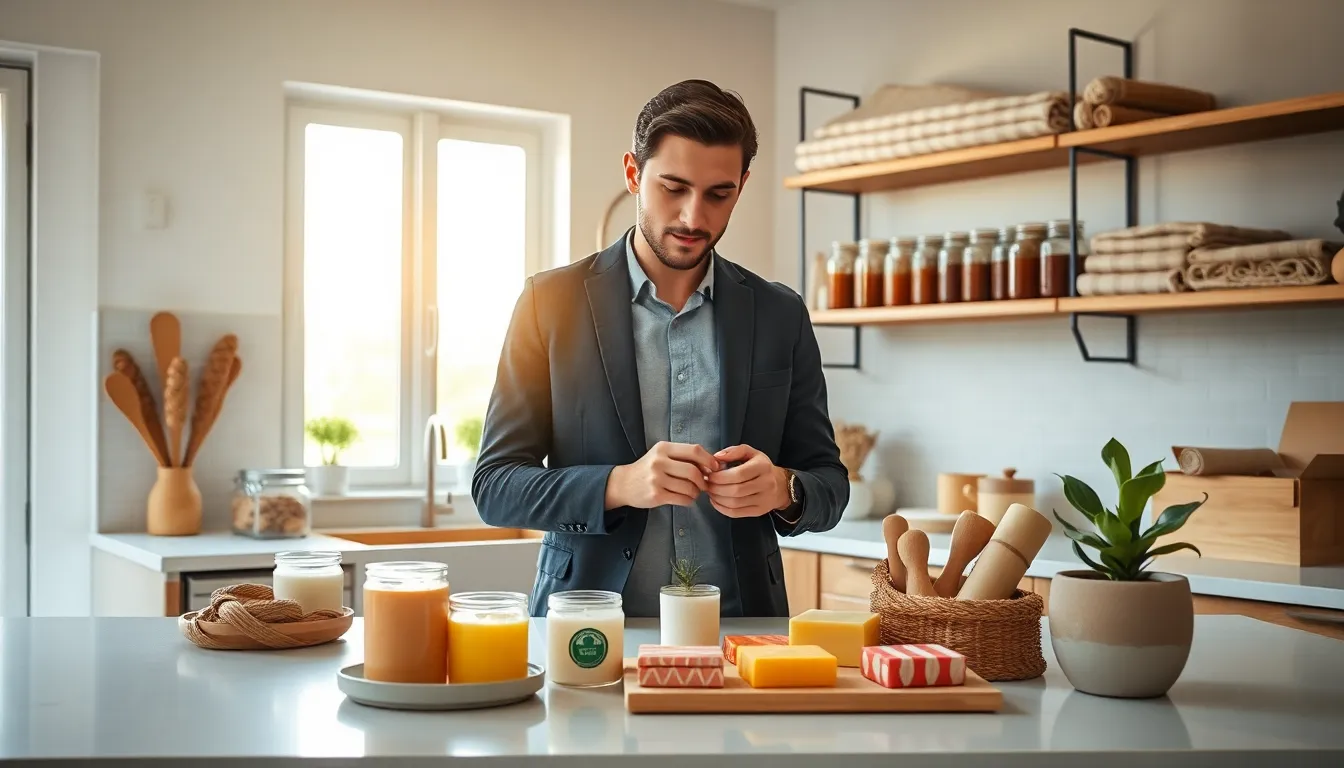
- Candle making: Soy and beeswax candles use natural materials and custom scents.
- Sewing and textiles: Clothes, bags, and home linens can be sewn to exact specifications.
- Woodworking: Shelves, furniture, and decorative items showcase craftsmanship.
- Soap and skincare: Natural soaps, lotions, and balms avoid harsh chemicals found in commercial products.
- Home decor: Macramé, pottery, and painted art personalize living spaces.
These make at home crafts range from beginner-friendly to advanced. Beginners might start with simple projects like painted plant pots or no-sew pillow covers.
Benefits of Making Things at Home
Make at home projects deliver multiple advantages. These benefits explain why the movement continues to grow.
Cost Savings
Homemade products often cost less than commercial alternatives. A loaf of bread costs pennies to make but several dollars to buy. Cleaning supplies made from vinegar and baking soda replace expensive specialty products. Over time, these savings add up substantially.
Quality Control
Making things at home puts the creator in charge of ingredients and materials. Food projects avoid preservatives, artificial colors, and excess sugar. Skincare products skip synthetic fragrances and chemicals. This control matters especially to those with allergies or sensitivities.
Environmental Impact
Make at home practices reduce waste in several ways. Less packaging goes to landfills. Fewer transportation emissions result from products not shipped across the country. Reusable containers replace single-use packaging. Those concerned about sustainability find make at home projects align with their values.
Skill Development
Every make at home project teaches something new. Cooking builds culinary knowledge. Crafts develop hand-eye coordination and artistic abilities. These skills transfer to other areas of life and can even become income sources.
Mental Health Benefits
Creating things provides stress relief and a sense of accomplishment. The focus required for make at home projects can serve as a form of meditation. Completing a project boosts confidence and mood.
Customization
Homemade items can be adjusted to personal preferences. Recipes can be modified for dietary needs. Crafts can match specific colors or styles. This level of customization isn’t possible with mass-produced goods.
How to Get Started With Make at Home Projects
Starting make at home projects doesn’t require expensive equipment or expert knowledge. A few simple steps can launch anyone into this rewarding practice.
Choose a Project That Interests You
The best make at home projects match personal interests. Someone who loves food should try cooking or baking. Those drawn to visual arts might prefer crafts. Passion for the project increases the chance of sticking with it.
Start Simple
Beginners should choose easy projects first. A batch of cookies teaches basic baking principles. A simple painted picture frame introduces crafting techniques. Success with simple make at home projects builds confidence for harder ones.
Gather Basic Supplies
Most make at home projects require minimal initial investment. Cooking needs standard kitchen tools. Basic crafts use scissors, glue, and paint. Specialty supplies can be added as skills develop.
Use Free Resources
Countless free tutorials exist online. YouTube offers video instructions for virtually any make at home project. Blogs provide written guides with photos. Libraries stock books on cooking, crafts, and DIY skills.
Join a Community
Online groups and local clubs connect people who share make at home interests. Reddit communities discuss specific hobbies. Facebook groups offer advice and inspiration. Local craft stores sometimes host classes and meetups.
Accept Imperfection
First attempts at make at home projects rarely turn out perfectly. Mistakes are part of learning. A lopsided cake still tastes good. A slightly crooked shelf still holds books. Progress matters more than perfection.
Document Progress
Keeping photos or notes helps track improvement. Looking back at early make at home attempts shows how far skills have developed. This documentation also helps identify what works and what needs adjustment.


