
Table of Contents
ToggleMake at home trends 2026 point toward a future where people want more control over what they create, consume, and use daily. The DIY movement has evolved far beyond simple Pinterest projects. It now reflects deeper values, sustainability, health consciousness, and a desire to disconnect from mass production.
This year, homemade living isn’t just a hobby. It’s a lifestyle shift. From fermenting foods in kitchen corners to crafting skincare products in bathrooms, people are reclaiming skills their grandparents took for granted. And they’re doing it with modern tools and fresh techniques.
Here’s what’s shaping the make at home trends 2026 landscape, and how anyone can join in.
Key Takeaways
- Make at home trends 2026 reflect a lifestyle shift toward sustainability, health consciousness, and reclaiming traditional skills with modern tools.
- Upcycling and sustainable crafting reduce waste and save money by transforming discarded items into functional, one-of-a-kind pieces.
- Fermentation and scratch cooking are booming as people seek gut health benefits and flavorful homemade foods without premium price tags.
- Affordable tech tools like 3D printers, laser cutters, and AI-assisted design apps make complex DIY projects accessible to beginners.
- Homemade wellness products—from skincare to candles to herbal remedies—let you control exactly what touches your skin while saving hundreds annually.
- Starting small with simple projects builds confidence and skills to tackle bigger make at home endeavors over time.
Sustainable Crafting and Upcycling
Sustainability drives many make at home trends 2026, and upcycling sits at the center of this movement. People are turning old furniture, worn textiles, and discarded materials into functional pieces with character.
Thrift store flips have become a legitimate creative outlet. A scratched wooden dresser becomes a statement piece with some sanding and natural wood oil. Old jeans transform into tote bags. Glass jars find second lives as pendant light fixtures.
The appeal is twofold. First, it saves money. Second, it reduces waste. According to the EPA, Americans generated about 292 million tons of municipal solid waste in 2018. Upcycling offers a personal solution to a massive problem.
Natural dyes are also gaining traction. Instead of synthetic chemicals, crafters use avocado pits for blush tones, turmeric for golden yellows, and black beans for dusty blues. These methods produce unique, one-of-a-kind results.
Make at home trends 2026 also include a rise in repair cafes and skill-sharing workshops. Communities gather to fix broken appliances, mend clothing, and teach each other basic carpentry. The message is clear: fix it before you toss it.
For beginners, starting small works best. Repurposing a single item, like turning an old ladder into a bookshelf, builds confidence and skills for bigger projects.
Homemade Food and Fermentation Revival
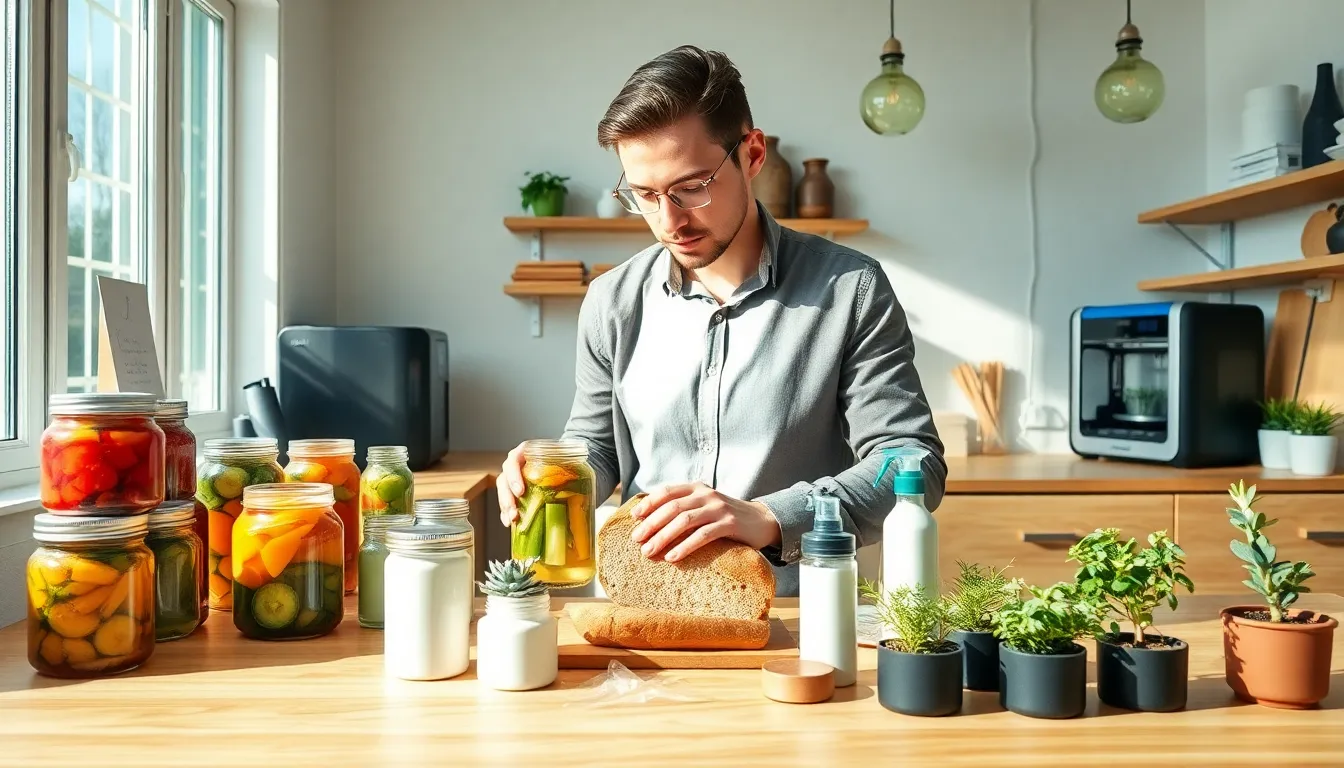
Kitchens are becoming laboratories again. Make at home trends 2026 show a strong push toward homemade food production, with fermentation leading the charge.
Kombucha, kimchi, sauerkraut, and sourdough bread remain popular. But 2026 brings new experiments. Home fermenters are exploring tepache (a Mexican fermented pineapple drink), miso paste, and even homemade hot sauces aged for months.
Why the fermentation boom? Gut health research has exploded in recent years. Studies link a healthy microbiome to improved immunity, mood, and digestion. People want probiotics without the premium price tags of store-bought options.
Beyond fermentation, home canning and preserving are back. Tomato season means shelves lined with marinara. Berry harvests turn into jams that last through winter. These practices connect people to seasonal eating patterns.
Make at home trends 2026 also highlight a return to scratch cooking. Homemade pasta, fresh bread, and bone broths simmered for hours, these dishes take time but deliver flavor and nutrition that packaged foods can’t match.
Meal prep has evolved too. Instead of just portioning meals, people batch-cook base ingredients. They make large quantities of grains, roasted vegetables, and proteins, then combine them differently throughout the week.
The fermentation revival also sparks creativity. Home brewers experiment with wild yeast strains. Cheese makers age wheels in basement corners. These projects require patience, but the results often surpass commercial alternatives.
Tech-Assisted DIY Projects
Technology and traditional craftsmanship are merging. Make at home trends 2026 feature smart tools that make complex projects accessible to beginners.
3D printers have dropped in price significantly. A decent home printer now costs less than $200. People use them to create custom phone cases, replacement parts for appliances, and even furniture components. The learning curve exists, but online tutorials make it manageable.
Laser cutters and CNC machines are entering home workshops too. These tools allow precise cuts in wood, acrylic, and leather. Small business owners use them to create personalized products, engraved cutting boards, custom jewelry, and detailed wall art.
Smart home integration extends to DIY projects. Arduino and Raspberry Pi boards power homemade automation systems. A weekend project might include building a plant watering system that tracks soil moisture or a security camera setup with custom alerts.
Make at home trends 2026 also see growth in AI-assisted design tools. Apps can generate sewing patterns from photos, suggest woodworking plans based on available materials, or help plan garden layouts optimized for sunlight.
Video tutorials remain essential. YouTube creators and TikTok makers share step-by-step guides for projects ranging from basic to advanced. The barrier to entry keeps dropping.
One interesting development: digital fabrication communities are sharing open-source designs. Someone in Japan creates a lamp design, and makers worldwide can print and adapt it. This global collaboration accelerates innovation and makes make at home trends 2026 truly international.
Wellness and Self-Care Creations
Self-care has gone DIY. Make at home trends 2026 include a surge in homemade wellness products that put people in charge of what touches their skin and enters their bodies.
Homemade skincare leads this category. Simple recipes using ingredients like shea butter, coconut oil, and essential oils produce effective moisturizers, lip balms, and body scrubs. People appreciate knowing exactly what’s in their products, no mystery chemicals or unpronounceable ingredients.
Soap making has evolved from a niche hobby to a mainstream practice. Cold process soaps allow for customization in scent, color, and skin-nourishing additives. Oatmeal and honey for sensitive skin. Activated charcoal for deep cleaning. Tea tree oil for its antimicrobial properties.
Make at home trends 2026 extend to aromatherapy and candle making. Soy wax candles with custom essential oil blends create specific atmospheres, lavender for relaxation, peppermint for focus, eucalyptus for clearing sinuses during cold season.
Herbal remedies are gaining ground too. Home gardens grow chamomile for teas, calendula for salves, and elderberries for immune-boosting syrups. These traditions connect modern practitioners with centuries of folk medicine knowledge.
Meditation and yoga props join the DIY list. Sewn meditation cushions filled with buckwheat hulls. Wooden yoga blocks shaped in home workshops. These projects combine creativity with wellness practice.
The financial benefits add up. A batch of homemade lotion bars costs a fraction of premium store products. Over a year, making personal care items at home can save hundreds of dollars while delivering superior results.


