
Table of Contents
ToggleMake at home strategies offer a practical path to saving money while improving daily life. People across the country spend thousands of dollars each year on items they could easily create themselves. From meals and cleaning supplies to home decor, the opportunities to cut costs and gain new skills are everywhere.
This shift toward homemade solutions isn’t just about the budget. It’s about control, knowing exactly what goes into products, reducing waste, and building self-sufficiency. Whether someone wants to meal prep for the week or craft their own furniture polish, these strategies deliver real results. Here’s how to get started with make at home approaches that actually work.
Key Takeaways
- Make at home strategies can save families hundreds of dollars monthly by eliminating markup costs on food, cleaning products, and home goods.
- Batch cooking and meal prep on a single day can yield 10-15 ready-made meals, reducing expensive takeout orders throughout the week.
- DIY cleaning products using vinegar and baking soda cost as little as $0.25 per bottle compared to $4-6 for commercial alternatives.
- Homemade staples like bread cost roughly $0.50 in ingredients versus $3-5 at the store, making them high-value projects to prioritize.
- Start small by mastering one category—like meal prep or cleaning supplies—before expanding to avoid burnout and build confidence.
- Track your savings by comparing homemade costs to store-bought equivalents to stay motivated and identify your highest-impact projects.
Why Making Things at Home Matters
Make at home strategies solve multiple problems at once. They reduce spending, cut down on packaging waste, and give people full control over ingredients and materials.
The financial benefits alone are significant. A family that makes their own bread, cleaning products, and basic home goods can save hundreds of dollars monthly. Store-bought items carry markup costs for packaging, shipping, branding, and retail profit margins. Homemade versions eliminate most of those expenses.
Beyond money, there’s the quality factor. Commercial products often contain fillers, preservatives, or cheap substitutes. Homemade alternatives use exactly what the maker chooses, nothing more, nothing less. This matters especially for families with allergies, sensitivities, or specific dietary needs.
The environmental impact deserves attention too. Make at home strategies reduce plastic packaging, lower transportation emissions, and minimize food waste. Someone who bakes their own cookies doesn’t need individually wrapped portions shipped from a factory across the country.
There’s also a satisfaction element that shouldn’t be dismissed. Creating something useful with one’s own hands builds confidence and practical skills. These abilities compound over time, making each new project easier than the last.
Food and Meal Preparation Strategies
Food represents the biggest opportunity for make at home strategies to deliver savings. The average American household spends over $7,000 annually on food, with a large portion going to restaurants and convenience items.
Batch Cooking and Meal Prep
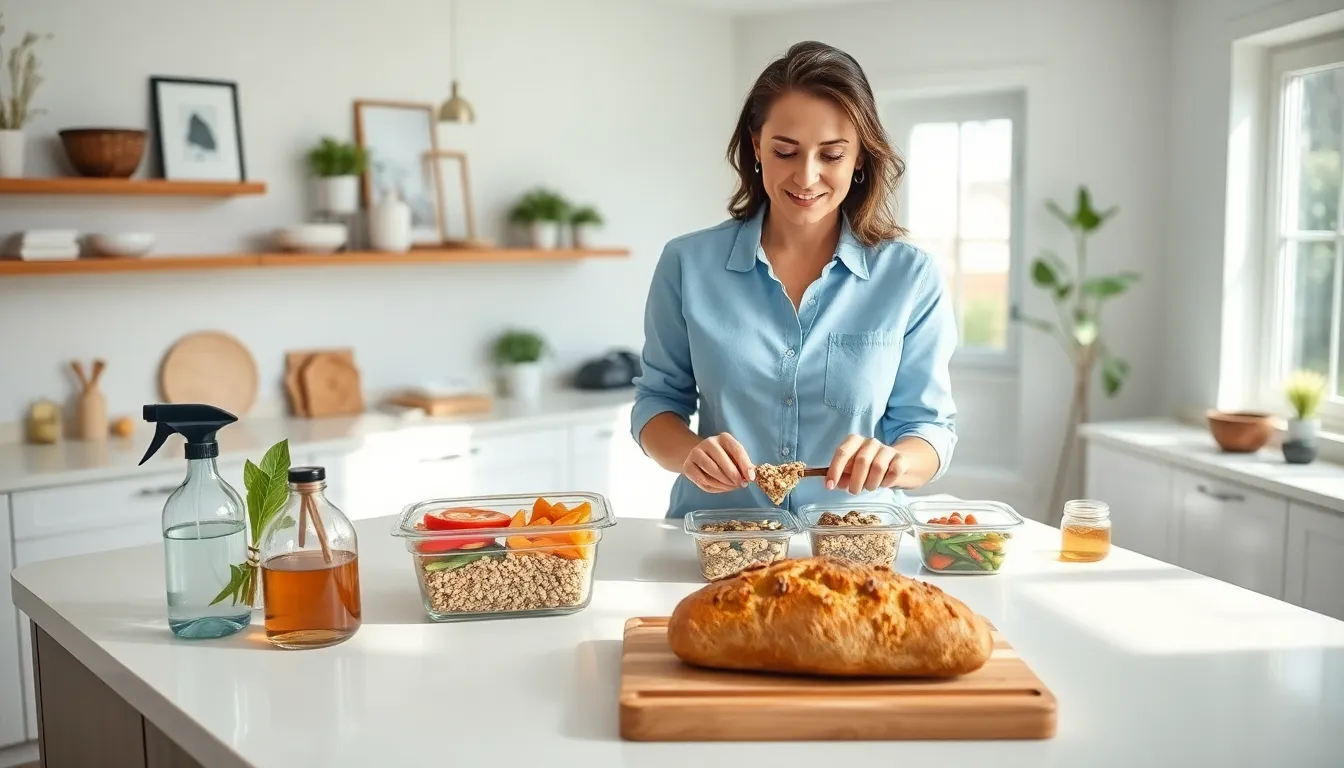
Batch cooking transforms weekly food costs. Preparing large quantities of grains, proteins, and vegetables on one day provides ready-made meal components for the entire week. A single Sunday cooking session can yield 10-15 meals.
Soups, stews, and casseroles freeze exceptionally well. Making double portions and storing half creates an instant backup meal supply. This eliminates the “nothing to eat” excuse that drives expensive takeout orders.
Homemade Staples
Many kitchen staples cost pennies to make but dollars to buy. Bread, yogurt, granola, salad dressings, and spice blends all fall into this category. A loaf of homemade bread costs roughly $0.50 in ingredients versus $3-5 at the store.
Condiments offer another opportunity. Mayonnaise, ketchup, mustard, and hot sauce require simple ingredients and basic techniques. Once someone masters a few recipes, they rarely return to store-bought versions.
Preserving Seasonal Produce
Canning, freezing, and dehydrating extend the life of seasonal produce. Summer tomatoes become winter pasta sauce. Fresh berries turn into jam that lasts a year. These make at home strategies capture peak-season prices and flavors for year-round enjoyment.
DIY Cleaning and Household Products
Cleaning products offer some of the easiest and most impactful make at home strategies. Commercial cleaners often contain harsh chemicals, come in single-use plastic, and carry premium prices for basic formulas.
All-Purpose Cleaners
A simple mixture of white vinegar, water, and a few drops of essential oil handles most household cleaning tasks. This solution costs roughly $0.25 per spray bottle compared to $4-6 for commercial alternatives.
Baking soda serves as a gentle abrasive for tougher jobs. Mixed with dish soap, it tackles stovetops, sinks, and bathtubs effectively. These two ingredients, vinegar and baking soda, form the foundation of dozens of cleaning recipes.
Laundry Solutions
Homemade laundry detergent uses washing soda, borax, and grated bar soap. A single batch costs about $20 and lasts 6-12 months for a typical family. Compare that to monthly spending of $15-30 on commercial detergent.
Fabric softener alternatives include white vinegar in the rinse cycle or wool dryer balls. Both work well and eliminate the need for disposable dryer sheets.
Personal Care Items
Make at home strategies extend to personal care too. Body scrubs, lip balms, and basic lotions require few ingredients and simple preparation. A sugar scrub made with coconut oil and essential oils costs under $2 versus $15+ at a boutique store.
Home Decor and Craft Projects
Home decor presents creative opportunities for make at home strategies. Custom pieces add personality while costing a fraction of retail prices.
Furniture Refinishing
Old furniture gains new life with basic refinishing techniques. Sanding, staining, and painting transform thrift store finds into statement pieces. A $20 dresser plus $30 in supplies creates something that would cost $200+ new.
Reupholstering chairs and benches requires more skill but delivers dramatic results. Online tutorials make these projects accessible to beginners willing to practice.
Wall Art and Decorations
Canvas paintings, framed fabric, and gallery walls of personal photos provide affordable alternatives to expensive art. A DIY abstract painting costs $15-30 in supplies. Similar pieces sell for hundreds at retail.
Seasonal decorations benefit from make at home strategies too. Wreaths, centerpieces, and holiday ornaments made from natural materials or craft supplies beat store prices significantly.
Textiles and Soft Goods
Curtains, throw pillows, and table linens require basic sewing skills. Fabric purchased by the yard costs far less than finished products. Someone who sews four throw pillows at home spends perhaps $40 total versus $100+ buying them ready-made.
Even no-sew options exist. Hemming tape and fabric glue enable curtain and pillow projects without any stitching.
Tips for Getting Started
Make at home strategies work best when approached gradually. Trying to change everything at once leads to burnout and frustration.
Start Small
Pick one category, perhaps meal prep or cleaning products, and master it before expanding. Success builds momentum. Someone who perfects homemade bread gains confidence to tackle yogurt, then pasta, then an entire week of meal prep.
Gather Basic Supplies
Certain items appear across multiple make at home strategies. Stocking up on vinegar, baking soda, coconut oil, essential oils, and basic craft supplies enables dozens of projects. Buy these in bulk to maximize savings.
Use Available Resources
Free tutorials, recipe databases, and how-to videos cover virtually every homemade project imaginable. Libraries offer books on everything from canning to furniture restoration. There’s no need to reinvent techniques that others have already perfected.
Track Savings
Keeping a simple log of costs, both homemade and store-bought equivalents, reveals the true impact of make at home strategies. This data motivates continued effort and identifies the highest-value projects to prioritize.
Accept Imperfection
First attempts rarely match professional quality. That’s fine. A slightly lumpy loaf of bread still tastes better than store-bought, costs less, and teaches skills for the next batch. Progress matters more than perfection.


