
Table of Contents
ToggleA good make at home guide can turn anyone into a confident crafter. DIY projects offer a satisfying way to create useful items, save money, and develop new skills. Beginners often feel overwhelmed by craft tutorials that assume prior experience. This guide breaks down the basics into simple steps.
Starting a DIY hobby doesn’t require expensive equipment or years of training. With the right tools, a few easy projects, and some practical tips, anyone can produce impressive results. This make at home guide covers everything needed to begin crafting today.
Key Takeaways
- A good make at home guide helps beginners start crafting with confidence using simple tools and affordable supplies.
- Essential DIY tools include scissors, a hot glue gun, measuring tape, and basic adhesives—most available at dollar stores.
- Beginner-friendly projects like mason jar vases, scented candles, and personalized mugs build foundational skills quickly.
- Always read the complete tutorial before starting and test new techniques on scrap materials to avoid costly mistakes.
- Allow extra drying time for paints and adhesives, and embrace small imperfections as part of handmade charm.
- Document your process with photos to troubleshoot future projects and share your creations with craft communities.
Essential Tools and Supplies You Need
Every successful make at home project starts with proper preparation. Gathering the right tools before starting prevents frustration and wasted time. Here’s what beginners should have on hand.
Basic Hand Tools
A quality pair of scissors handles most cutting tasks. Craft scissors work well for paper, fabric, and thin materials. A utility knife provides precision for detailed cuts. A ruler and measuring tape ensure accurate dimensions every time.
Adhesives and Fasteners
Hot glue guns bond materials quickly and securely. They’re affordable and work on wood, fabric, plastic, and more. White craft glue suits paper projects and dries clear. Double-sided tape creates clean attachments without visible residue.
Marking and Measuring Tools
Pencils mark most surfaces without permanent damage. Chalk works great on fabric and can be brushed away. A level helps ensure straight lines on wall-mounted projects.
Storage Solutions
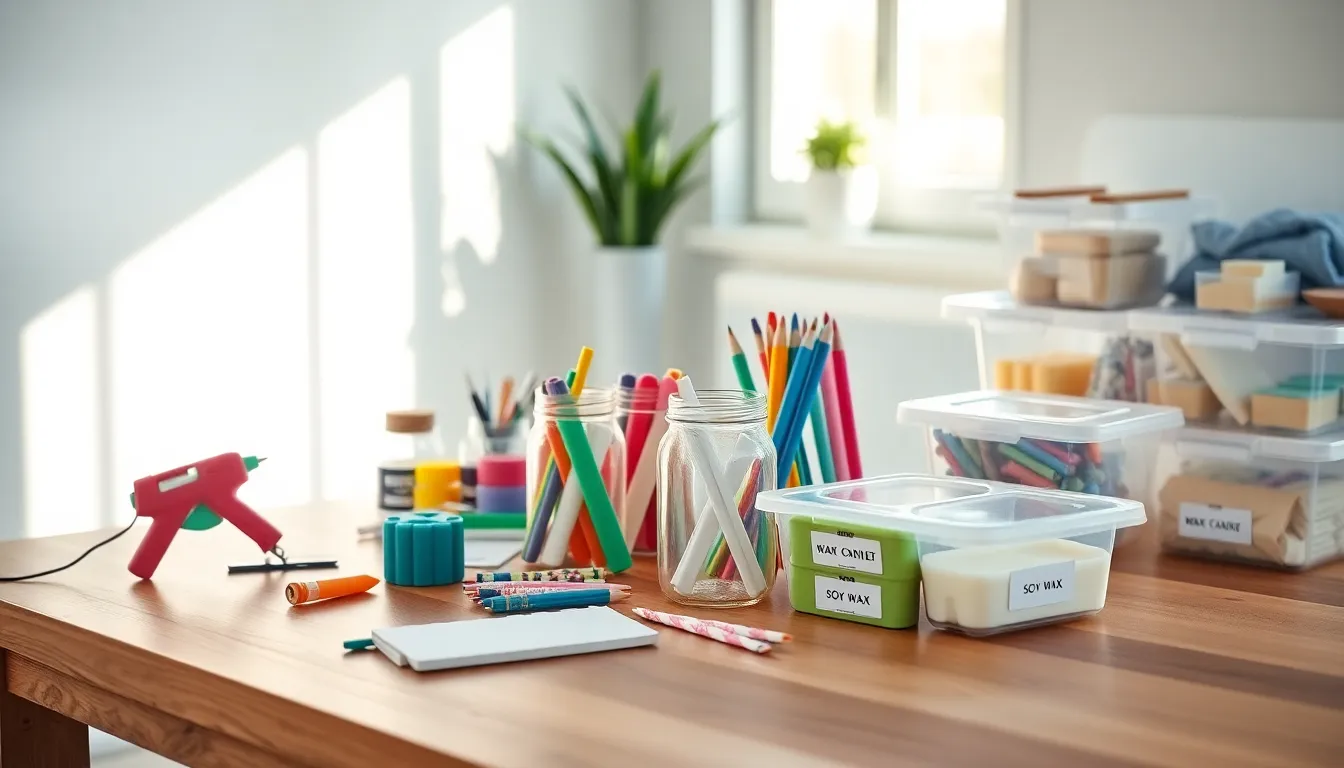
Clear plastic bins organize supplies by type. Label each container for quick access. A dedicated workspace, even a small corner, keeps projects manageable and materials within reach.
Budget-conscious crafters can find many tools at dollar stores or thrift shops. Quality matters for items used frequently, but beginners don’t need professional-grade equipment to create beautiful projects. This make at home guide recommends starting small and adding tools as skills grow.
Simple DIY Projects to Start With
Choosing the right first project builds confidence. These beginner-friendly ideas require minimal supplies and produce satisfying results.
Home Décor Crafts
Home décor projects let crafters personalize their living spaces. They also make excellent practice pieces.
Mason Jar Vases
Transform basic mason jars into stylish vases. Paint the exterior with acrylic paint in any color. Add twine around the rim for a rustic touch. These take about 30 minutes to complete and cost under five dollars.
Photo Display Boards
Cork boards become custom photo displays with minimal effort. Cover the board with fabric using spray adhesive. Attach ribbon in a crisscross pattern with pushpins. Tuck photos behind the ribbon for an easy-swap gallery.
Decorative Trays
Old picture frames convert into serving trays. Remove the glass and backing. Paint the frame, then attach handles from a hardware store. Add decorative paper or fabric behind new glass for a finished look.
Homemade Gifts and Keepsakes
Handmade gifts carry personal meaning that store-bought items can’t match. These projects suit various occasions and skill levels.
Scented Candles
Soy wax flakes, fragrance oils, and wicks create custom candles. Melt the wax in a double boiler. Add fragrance when the wax cools slightly. Pour into jars or molds and let set overnight. Each candle costs a fraction of retail prices.
Personalized Mugs
Plain ceramic mugs become unique gifts with oil-based paint markers. Draw designs, write names, or add quotes. Bake the mug at 350°F for 30 minutes to set the design permanently.
Memory Jars
Decorate a jar and fill it with written memories, quotes, or reasons why someone is special. Recipients can pull out one note whenever they need encouragement. This make at home project takes little time but creates lasting impact.
Each of these projects teaches fundamental skills. Crafters learn about material preparation, timing, and finishing techniques. Success with simple projects builds the foundation for more advanced work.
Tips for Successful DIY Projects
Skill alone doesn’t determine project success. Smart habits and practical strategies make a real difference.
Read Instructions Completely First
Many crafters jump straight into projects without reading all steps. This leads to mistakes and wasted materials. Review the entire make at home guide or tutorial before touching any supplies.
Prepare the Workspace
Clear surfaces and lay out all materials before starting. Protect tables with newspaper or plastic sheeting. Good lighting reduces errors and eye strain. Keep a trash bag nearby for scraps.
Test on Scrap Materials
Try new techniques on leftover or cheap materials first. This reveals problems before they ruin a project. Paint colors, glue strength, and cutting methods all benefit from testing.
Allow Adequate Drying Time
Rushing drying stages causes smudges, weak bonds, and poor finishes. Most adhesives and paints need longer than labels suggest. When in doubt, wait an extra hour.
Embrace Imperfection
Handmade items carry character that mass-produced goods lack. Small irregularities add charm rather than diminish value. Perfectionism stops more projects than lack of skill ever does.
Document the Process
Take photos during each stage. These help troubleshoot problems in future attempts. They also create shareable content for social media or craft communities.
Learn from Failures
Every crafter produces duds. Analyze what went wrong and adjust the approach. Failed projects teach more than successes. Keep experimenting with new ideas and methods.
Following this make at home guide’s tips helps beginners avoid common pitfalls. Consistent practice turns awkward first attempts into polished creations.


